Independent captains, escaped subjects, smugglers, and crews who would rather take their chances than let someone else decide who they should be.
From private quarters to the periphery
One faction. Different lives.
Status changes where you sleep, what you can afford, and who can tell you no. A faction’s best promise and its hardest bargain can exist only a few decks apart.
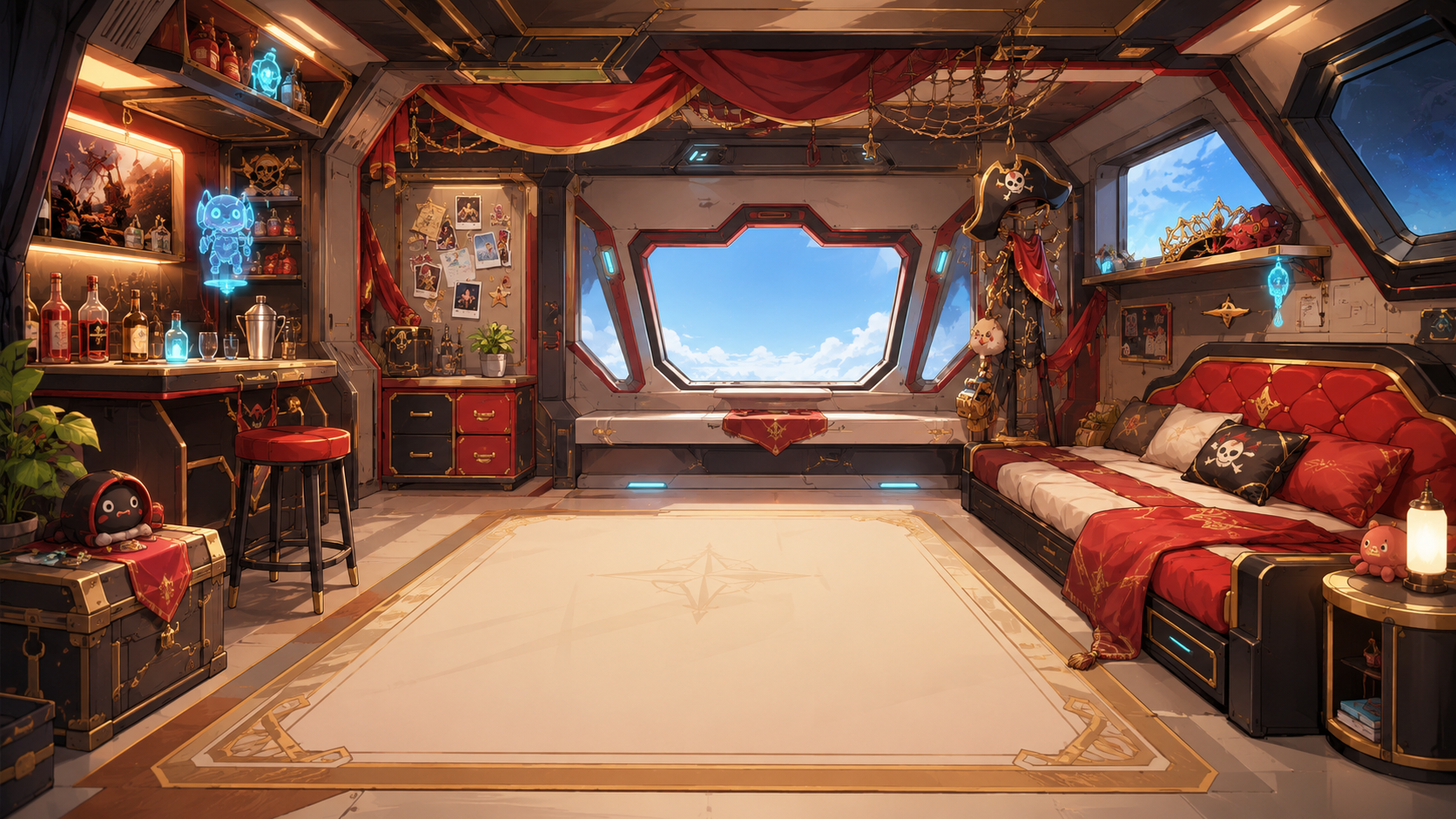
Captains and private space
A door you can close.
Mave’s cabin shows what a place of your own can look like. A captain commands her ship; there is no throne that grants command over every pirate.
What it offers
Personal space, individual taste, and the right to choose your crew.
What it can cost
A ship still needs fuel, repairs, and people willing to follow. Authority does not buy a guarantee of loyalty.
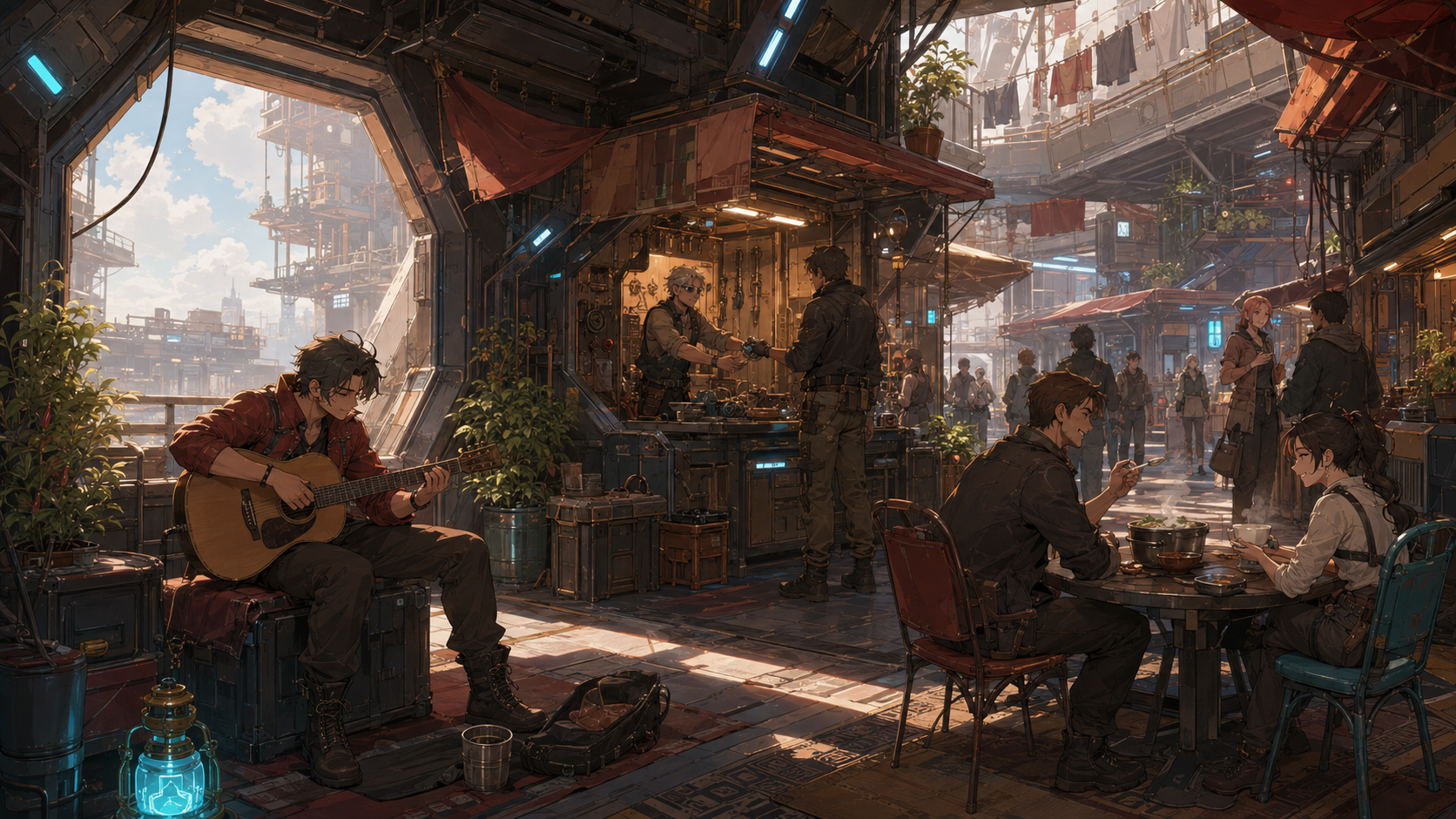
Ordinary port life
Make a living. Make some noise.
A meal, a repair, a song nobody approved. Free ports make room for useful work and useless pleasures alike. People survive through trade, salvage, and the connections they make.
What it offers
Room for difference, informal help, art, friendship, and chosen company.
What it can cost
A deal is only as dependable as the people behind it. Work and protection can change with the next arrival.
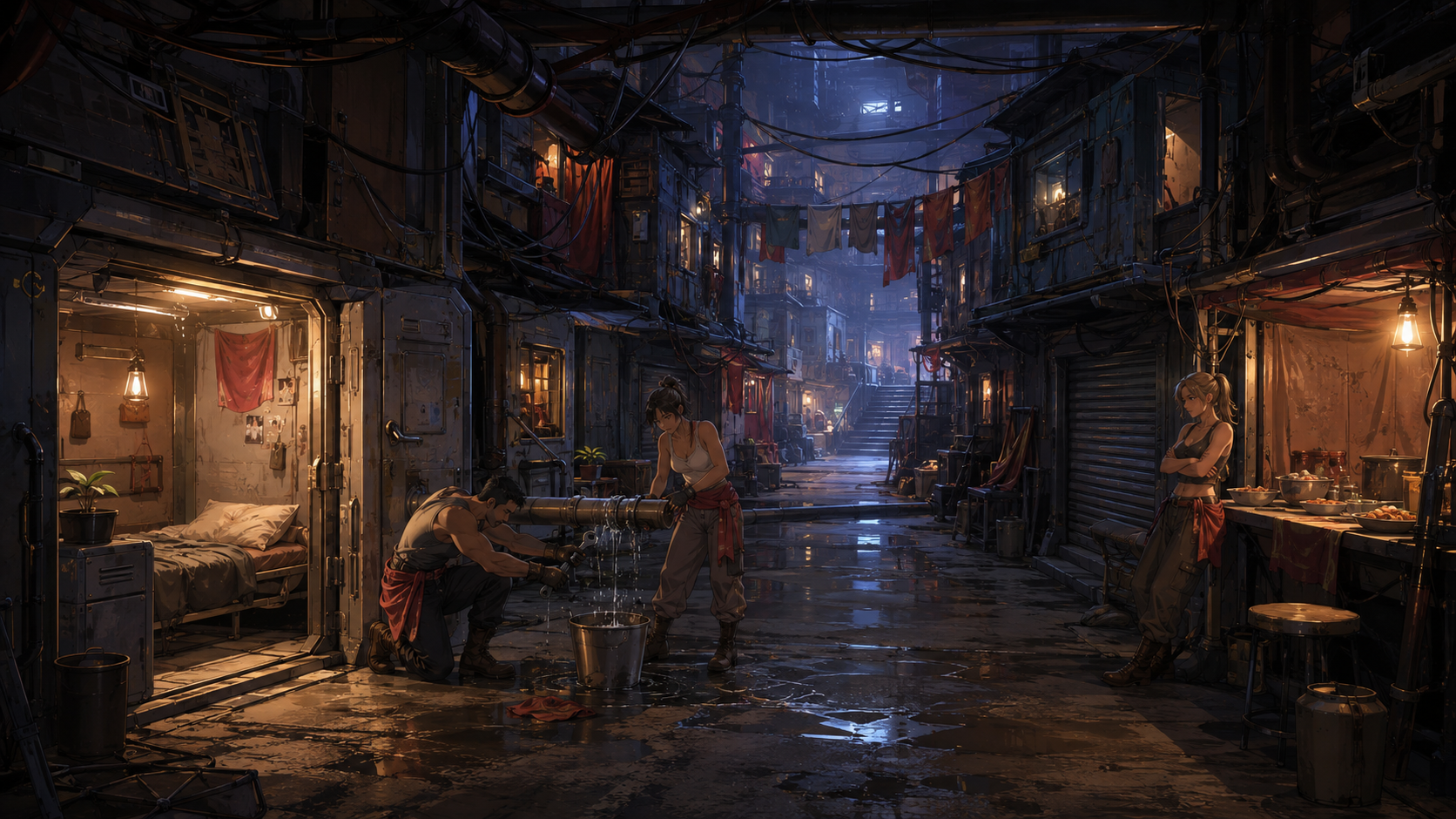
The lower decks
Freedom still needs spare parts.
Independence is not the same as comfort. On a struggling dock, worn housing and improvised repairs sit beside people trying to keep an ordinary life going.
What it offers
A refuge can exist outside imperial oversight and corporate ownership.
What it can cost
Uneven supplies, unsafe bargains, and no central authority obliged to make everything work.
Freedom is personal.
Pirates are not a single state or an army awaiting orders from one supreme captain. They are scattered crews, free ports, temporary alliances, and people who have walked away from someone else’s system. Some fled the Order. Some escaped corporate contracts. Others simply never wanted a master.
Their common ground is the right to remain a person: to want things, enjoy them, change your mind, and refuse. Music, food, sex, laughter, and affection are not problems to correct or products that someone else should own. They are part of being alive.
A crew, not property.
A captain commands a ship, not every pirate in the galaxy. Authority has to survive the people who sail under it. A crew is not a collection of owned bodies, and slavery violates the freedom pirates claim for themselves.
That does not make every pirate kind, honest, or safe to trust. Independence leaves plenty of room for greed, grudges, and disastrous decisions. A free port can be a refuge and a dangerous place on the very same evening.
Life aboard is more than the next battle.
Salvage pays the bills.
Ships need fuel. People need food. Freedom still needs spare parts. Pirate crews survive through salvage, trade, smuggling, mercenary work, and raids. Their ports grow around practical necessities: a berth, a workshop, somewhere to sell cargo, and somewhere to stay.
Power follows captains and agreements more often than borders. An ally on one journey may have a different price on the next. There is no central office to guarantee the deal.
A song does not need a purpose.
An old film, a bad performance, a meal worth lingering over: pirate culture makes room for things that neither serve a doctrine nor turn a profit. Classical music can share a port with electronic noise, ancient songs, and a thoroughly drunken stage show.
The appeal is not that every evening is wonderful. It is that nobody needs to justify enjoying it. The same independence that makes room for an unfamiliar artist also leaves the quality of the venue, the company, and the night itself in very uncertain hands.
Desire is not a debt.
Sex, flirtation, affection, and the choice to keep your distance all belong to the person making the choice. Enjoying freedom does not entitle a pirate to somebody else’s body or loyalty. A crew is chosen company, not a claim of ownership.
There is no single pirate authority to prescribe how every relationship should work. That leaves room for different lives, but a shared slogan cannot do the work of trust. Jealousy, bad judgment, and people who disregard another person’s wishes do not disappear at a free-port airlock.
A medic, not a master.
Fjela’s decision to have Sabrina remove her Order implant puts the pirate ideal into practical terms. The implant made her an extraordinary marksman. Keeping it was still not a choice anyone else could make for her.
Sabrina’s care shows what that freedom can protect: a doctor who sees a patient before a uniform. It is the practice of a particular person, not a service guaranteed across every pirate port. Outside a central system, the people, supplies, and help available to a crew matter enormously.
Different chains. Same objection.
The Order would suppress desire in the name of liberation. PleasureTech would package it in the name of happiness. Pirates distrust both whenever the promised improvement takes the choice away from the person being improved.
Conflict does not stop trade, temporary truces, or black-market deals. A pirate can hate the corporation and still need a part made in one of its factories.
Void Sirens contains mature themes, suggestive imagery, and adult content. You must be at least 18 years old, or the age of majority in your jurisdiction.
Your confirmation will be remembered on this device.




 Aster
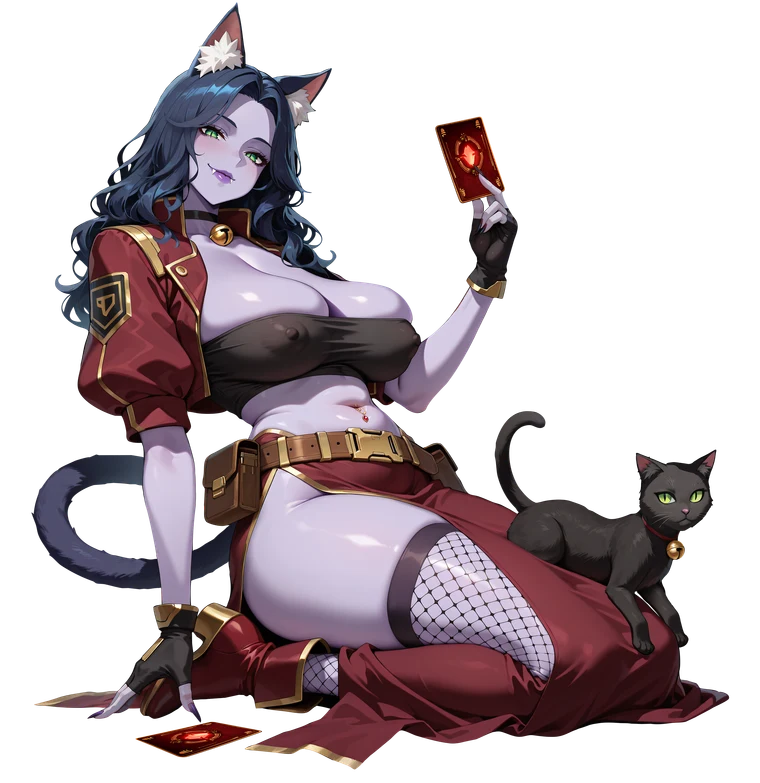 Charny
 Federica
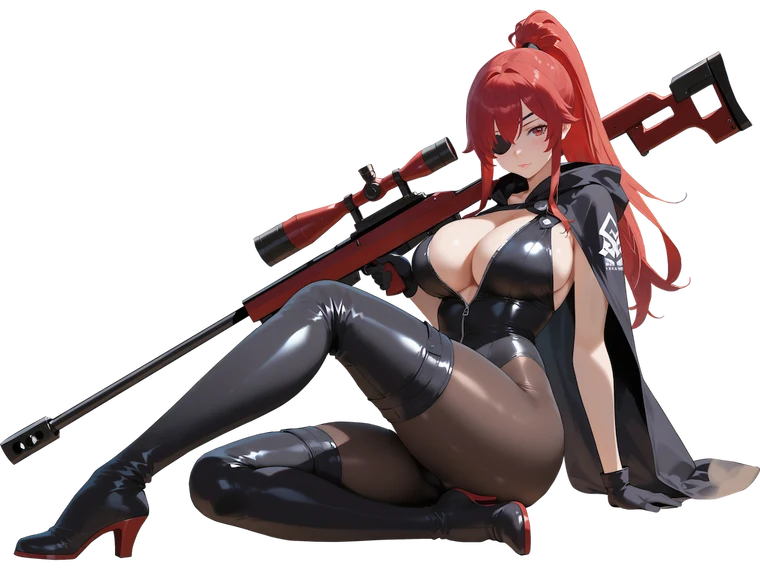 Fjela
 Lucorbic
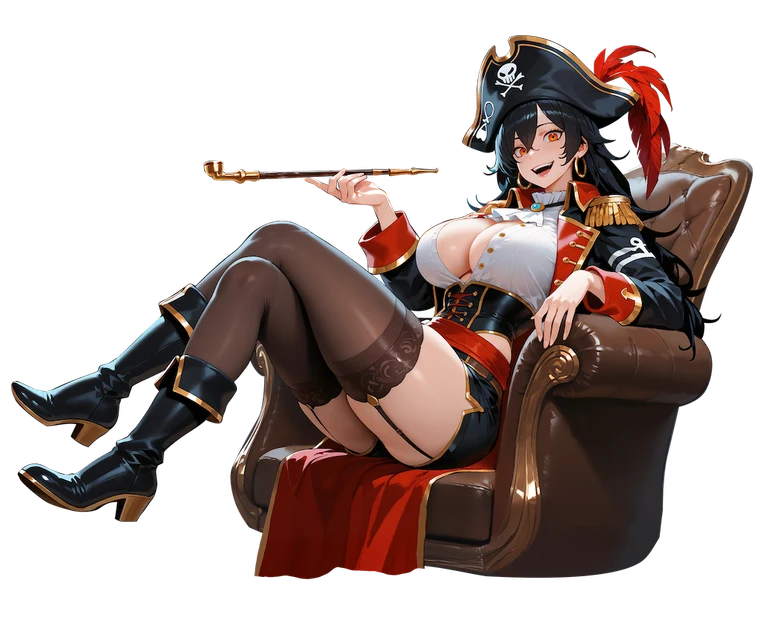 Mave
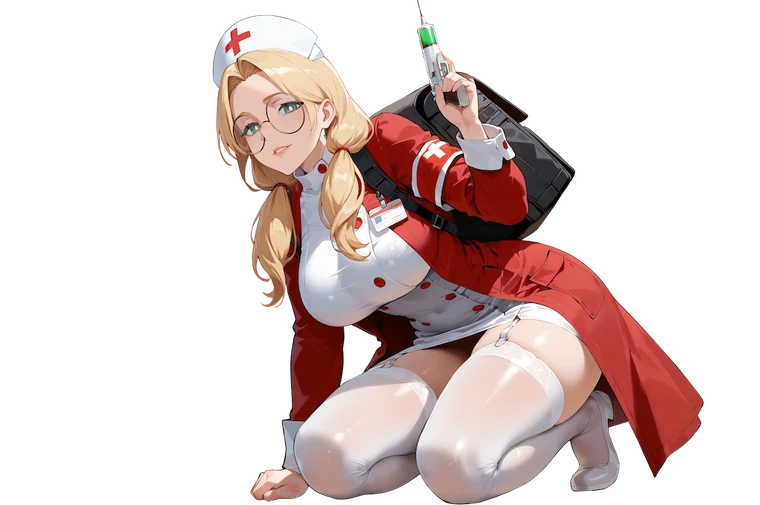 Sabrina
 Stephania